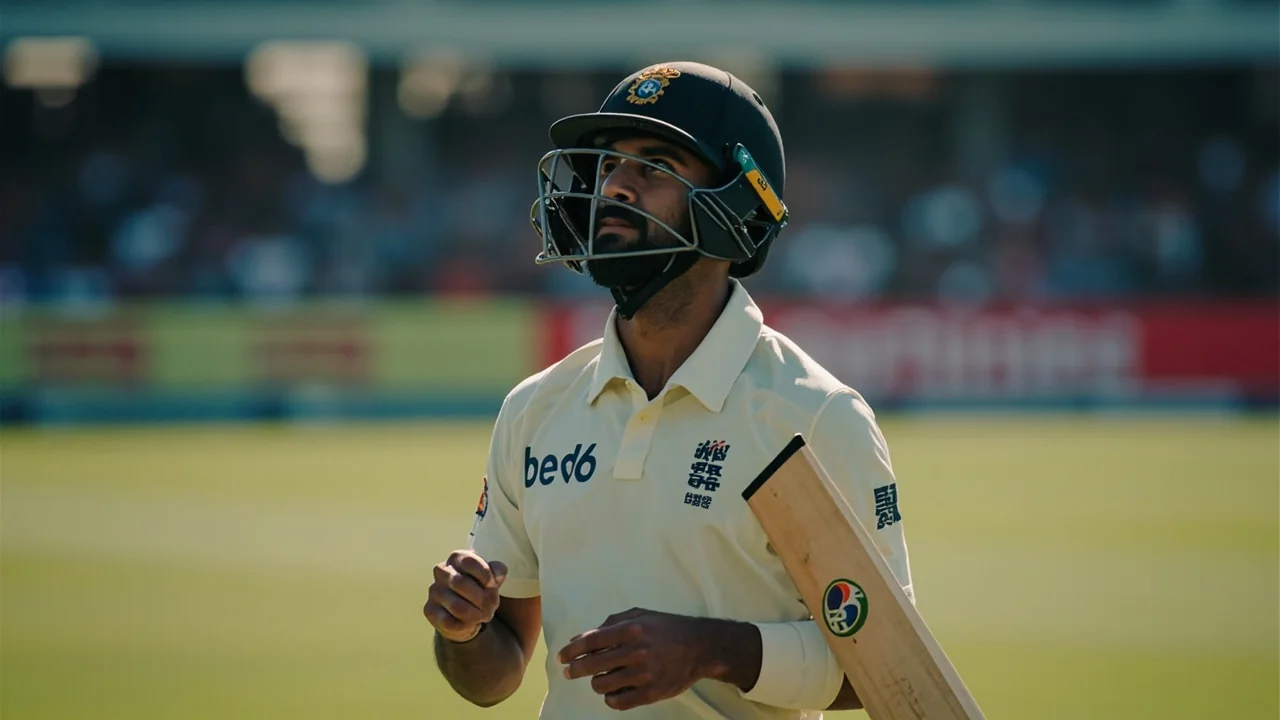
Ajinkya Rahane has retired from international cricket and all formats, announcing the decision through an Instagram video on 30 July 2026 captioned "Cap 278 signing off." The message was short, the timing deliberate, and the door closed without ambiguity: the India cap that travelled from Dharamshala to The Oval, from Melbourne to Centurion, from the 2014 Lord's balcony to the 2024 Duleep Trophy nets, is now off the peg for good.
· TOPBET Match Desk
Rahane said he felt the timing was right, thanked the BCCI, the Mumbai Cricket Association, his teammates across formats, coaches, the IPL franchises that shaped his white-ball career, and his family, friends and supporters, and signalled that he intends to help the next generation and give back to the game after closing the playing chapter. The video ran for just over a minute, but it closed a chapter that began in March 2011 with a quiet ODI debut against England.
The career ledger reads 85 Tests, 90 One-Day Internationals and 20 T20 internationals. The Test numbers carry the most weight: Rahane finishes as one of only a handful of Indian batters to cross 4,000 Test runs while batting predominantly in the middle order, and as the captain who led India to the 2020-21 Border-Gavaskar series victory in Australia when Virat Kohli flew home after the first Test. That tour, more than any individual century, is the line that separates his name from most other India middle-order batters of the post-2010 era.
What the announcement actually said
The video message, posted on his verified Instagram account on the morning of 30 July 2026, opened with a greeting to his supporters, moved through the gratitude list — BCCI, Mumbai Cricket Association, teammates, coaches, IPL franchises, family, friends — and ended with a line about wanting to help the next generation and give back to cricket. The "Cap 278 signing off" caption that ran with the video refers to Rahane's Test cap number, a quiet bookend that frames the post as both personal and archival.
There was no press conference, no BCCI release, and no farewell series. The format — short video, single platform, no follow-up interviews — was the same template used by a small number of senior Indian cricketers in recent years who wanted to control the narrative and avoid the tour-circuit farewell that often drags on through the season. By picking Instagram over a boardroom statement, Rahane closed his international career in his own voice.
A career in numbers, beyond the headline
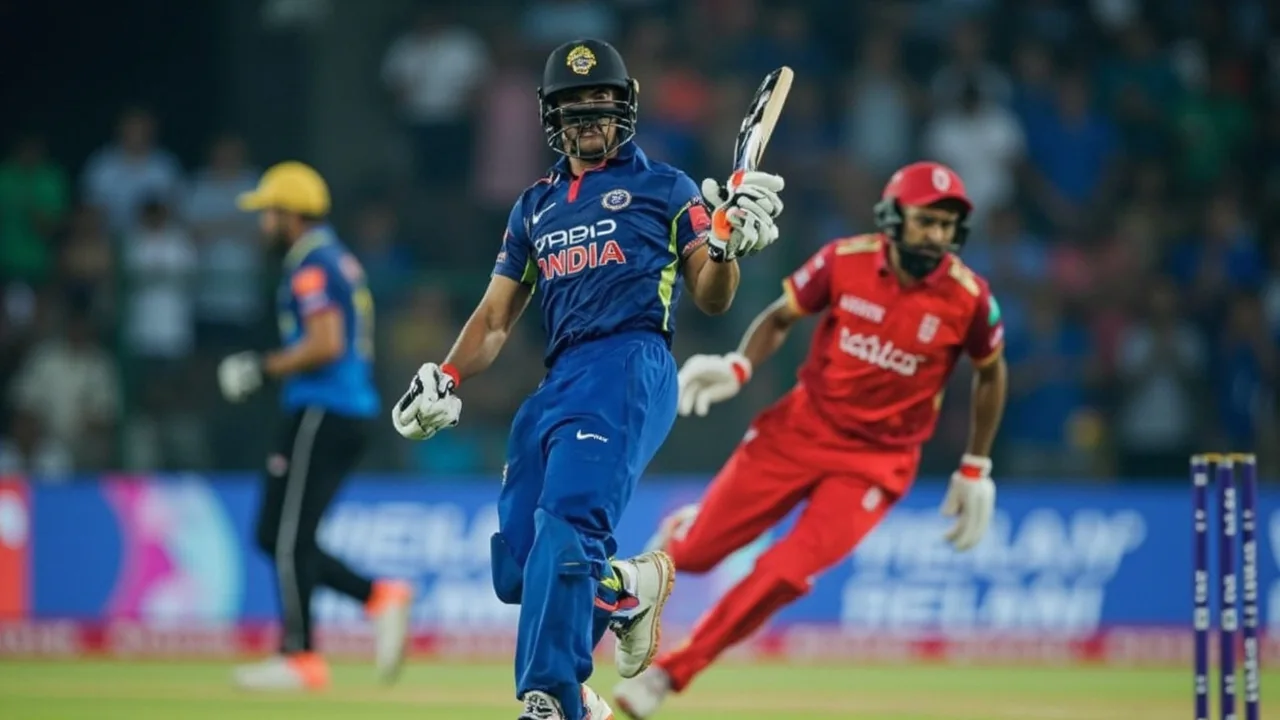
The 85-Test, 90-ODI, 20-T20I ledger is the most-quoted line from every Rahane tribute, but the shape behind those numbers tells a more interesting story. His Test average sits comfortably above 34, his ODI average just above 33, and his T20I average just under 25 — but those averages are anchored by a specific role: walking in at number four or five, batting through collapses, and spending long periods in partnerships when the top order failed. He was never the batter the broadcast camera opened on; he was the batter the scoreboard needed.
The most famous away tours carry his fingerprints in places casual fans rarely remember. His hundred on debut at Dunedin in 2014 announced him to New Zealand crowds. His century at Kingston in 2019 steadied a chase that should not have been chased. His twin fifties at Johannesburg and Centurion kept India alive on tours where the rest of the batting card struggled. In home conditions, his 2017 hundred against Sri Lanka in Galle and his 188 against New Zealand in 2016 are the kinds of innings that anchor a middle-order batter's Test reputation across a decade.
In the shorter formats, the picture is more uneven. Rahane played 90 ODIs but only 20 T20 internationals, a reflection of how India's white-ball pecking order evolved after the 2016 World Cup. He was a reliable number-four in ODIs through the 2015 to 2019 cycle, but the format shift towards the 2021 World Cup and beyond pushed him out of the playing XI. The T20I career was always going to be the smallest slice of the ledger; the IPL, where he captained two franchises and finished as a senior middle-order voice in three others, was where his white-ball identity actually lived.
Australia 2020-21 — the innings that still defines him
The 2020-21 Border-Gavaskar series sits at the centre of any honest appraisal of Rahane the Test cricketer. India flew into Sydney without Virat Kohli, lost an experienced pace bowler to injury on day three of the first Test, and looked out of the contest inside three days. The conventional read of the tour — a touring side stripped of captaincy, momentum, and depth — was that India would fold in Melbourne.
They did not, because Rahane's hundred at the MCG rewrote the series. His 112 in the second innings at Melbourne set India up for an eight-wicket win that squared the series, and his captaincy through the SCG draw in the third Test — the one where Hanuma Vihari and R Ashwin batted through the final session with broken bodies — turned the tour from a difficult series into a generational away win. By the time India lifted the trophy at the Gabba a Test later, Rahane's standing as an away-captain had been written into the record book.
That series also reset how the dressing room thought about him. Before Australia 2020-21, Rahane was a middle-order batter with a sharp cover drive and a reputation for runs in unhelpful conditions. After Australia 2020-21, he was a leader the team trusted in crisis. The BCCI's decision to keep him as Test vice-captain across the 2021 to 2023 cycle was the institutional acknowledgement of that tour.
Why now, and what changes for India's middle order
Rahane's note that "the timing was right" is the part that demands the most attention. He was not pushed out by selection, had not lost form in the white-ball formats he was still playing, and was still active in first-class cricket. The retirement, in other words, is a personal decision rather than a forced one. That makes the announcement easier to accept and harder to second-guess: there is no controversy to chase, only the natural end of a long middle-order career that has been slowing visibly across the last two domestic seasons.
The middle-order space Rahane occupied in the Test XI is the first area to think about. India's selection conversations around the number four and number five slots have been moving towards a younger pool of red-ball batters for the 2026 to 2027 home season, with Shubman Gill, Rishabh Pant, and the next wave of Ranji Trophy run-scorers already in the frame. With Rahane off the roster, that conversation stops circling back to "fit him in at five" and settles into the long-form pool. The ODI number-four question, meanwhile, has already been answered by the players who came through the 2023 World Cup cycle; Rahane's exit simply closes the door formally.
For India's first-class structure, the retirement is more of an opening than a shock. Mumbai's Ranji Trophy plans for the 2026 to 2027 season already had younger captains pencilled in, and Rahane's domestic presence was already lighter than at any point in his career. He had been playing the Duleep Trophy as a senior voice in the squad rather than as a frontline captain. The retirement removes the last ambiguity around his role and clears the way for the next Mumbai middle-order batter to step up.
What Rahane said he wants to do next
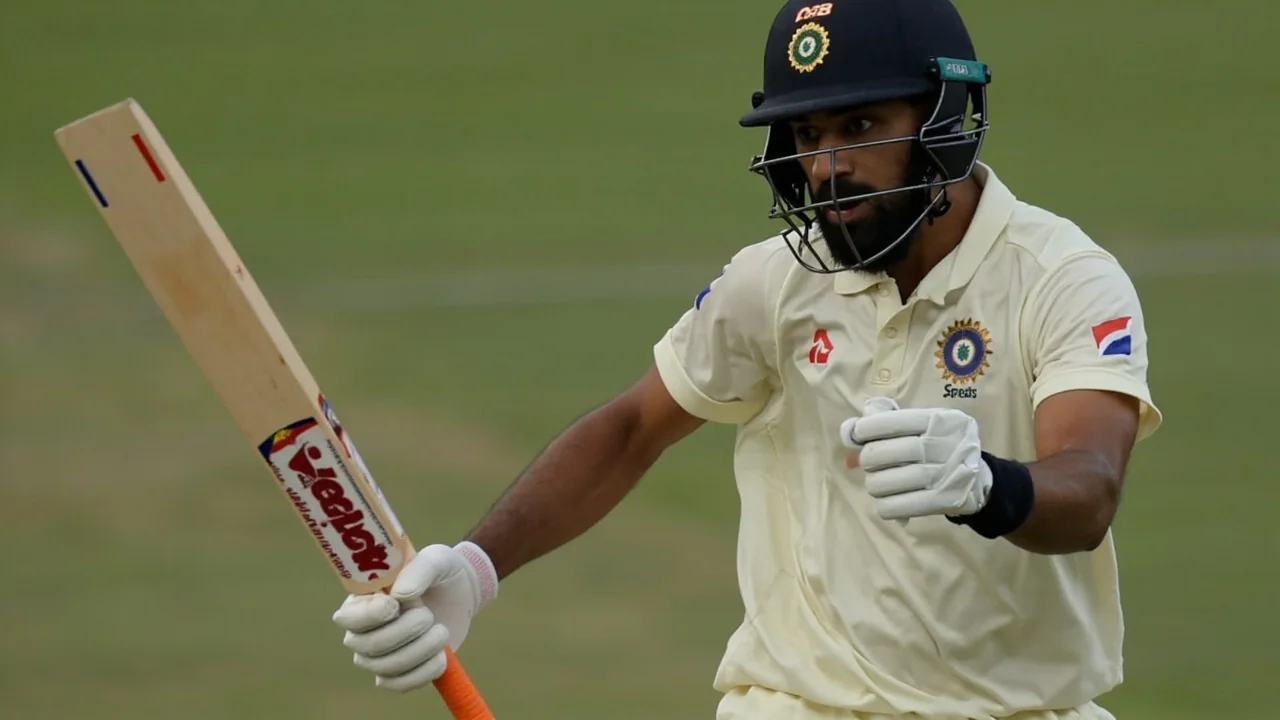
The most personal line in the announcement was the one about helping the next generation and giving back to cricket. In Indian cricket, that phrase has come to mean a fairly specific set of roles: age-group coaching, mentor positions at the National Cricket Academy, commentary stints for senior tours, and informal advisory work with IPL franchises during the auction window. Rahane has not named which of those he will take on, but the broader reading is that he is unlikely to step fully away from the game.
For the Mumbai Cricket Association specifically, his exit as a player opens a senior advisory gap that the association has not had to fill in over a decade. Mumbai's age-group system has historically leaned on a handful of senior voices — Rahane, Rohit Sharma in earlier cycles, a rotating cast of Test retirees — to run mentorship camps between Ranji seasons. Rahane's name on that list will now move from active player to mentor.
For the BCCI, the announcement lands during a window in which the national selection committee is finalising its long-form squad plans for the 2026 to 2027 home season. India's domestic red-ball calendar opens in September, and the senior squad for the first Test of the new home cycle was already in the planning stage. The cleanest read of the announcement, from a planning standpoint, is that the Test squad was not relying on Rahane, and his retirement simply ratifies the path the selectors had already chosen.
The legacy beyond the averages
It is fashionable in retirement announcements to talk about "legacy", but the honest version of Rahane's legacy fits in a paragraph rather than a chapter. He was the middle-order batter who made Australia 2020-21 happen. He was the captain India trusted when Kohli could not tour. He was the away-tour specialist whose overseas average consistently outran his home average, which is unusual for Indian batters of his generation. He was the IPL cricketer who captained two franchises, mentored three others, and finished as a senior middle-order voice in a format that chews up senior batters faster than any other.
He was not, by his own admission, the most graceful strokemaker of his era. He was not the most photographed batter, nor the most-discussed figure on social media after a big innings. What he was, repeatedly and consistently, was the batter who walked in at number five with the scoreboard tilted against him and gave India a chance to rebuild. That role is harder to market than the openers' role, harder to merchandise than the captain's role, and easier to forget than the bowler's role. It is also the role that won India the Border-Gavaskar trophy in 2020-21, which is the entry that belongs at the top of any Rahane tribute.
How fantasy contests read the news
For fantasy platforms, the retirement news touches three player pools in different ways. The Test fantasy player pool simply removes one name; Rahane had not been in India's red-ball playing XI on recent tours, so the operational impact is small. The ODI pool also removes a name, but again with limited operational impact — Rahane had not played an ODI for India in the most recent selection cycle. The IPL pool is the only one where the impact is meaningful: fantasy managers who had built a long-tail India-all-rounder slot around Rahane's continued IPL presence will need to reassess, though his recent playing time had already been reducing.
For the rest of India's red-ball middle order, the retirement is a reminder that the next generation of number-five candidates is now the only generation on the table. The fantasy conversation shifts entirely to that pool, which is already a strength of the broader India Test set-up. The narrative behind India's Test middle order is no longer about waiting for a senior comeback; it is about who among the younger names holds the slot across the 2026 to 2027 home season.
For readers who follow the broader India cricket ecosystem, the news also lines up with a busy autumn: the Duleep Trophy starts in September, the Irani Cup follows, and India's first home Test series of the 2026 to 2027 cycle begins in October. The retirement does not change those fixtures, but it does change the cast list for the pre-series chatter. For a deeper look at how India's red-ball squad is being reshaped around the middle order, the match analysis desk covers selection conversations as they land.
The line that closes the chapter
"Cap 278 signing off" is a quiet, archival caption. In Indian cricket, the BCCI's cap-numbering system covers every player capped for the senior team across formats, and Rahane's reference to "Cap 278" places him on that list as a middle-order batter who crossed 4,000 Test runs and captained India in an away Test series win. The caption does the work a formal farewell would have done: it timestamps the moment, signs it with a number rather than a flourish, and lets the career speak for itself.
The developments to watch now sit with the Mumbai Cricket Association and the BCCI. Rahane's video said he intends to help the next generation and give back to cricket, but did not name a formal role. Whether that next-generation work takes the shape of a National Cricket Academy mentoring position, an age-group coaching stint with Mumbai, an advisory role with one of his former IPL franchises, or commentary work on senior tours will only become clear once the MCA or BCCI confirms the appointment publicly. The 30 July 2026 announcement closed the playing chapter; the institutional response to it is the next chapter worth tracking.
Quick reference
- Announcement: Instagram video, 30 July 2026
- Caption: Cap 278 signing off
- Decision: Retired from international cricket and all formats
- Test caps: 85 Tests
- ODI caps: 90 ODIs
- T20I caps: 20 T20 internationals
- International debut: 2011
- Defining series: 2020-21 Border-Gavaskar Trophy in Australia
- Quote: Wants to help the next generation and give back to cricket
- Next role: Mentoring and advisory work (to be confirmed)